 By
By 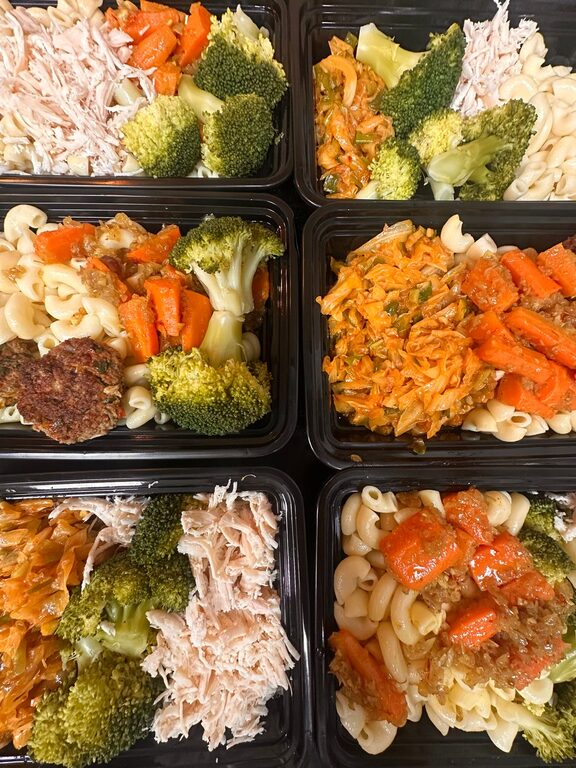
Planning balanced meals does not need to mean following a strict menu or spending hours in the kitchen. A few simple habits can make it easier to choose satisfying foods, use what you already have, and enjoy more variety throughout the week.
The goal is not perfection. It is to create a flexible approach that works with your schedule, preferences, budget, and energy levels.
Start with a simple meal formula
A balanced meal often includes a combination of:
– Vegetables or fruit
– A source of protein
– A whole-grain or starchy food
– A small amount of healthy fat
This formula is a guide, not a rule. You can adjust it based on what is available and what you enjoy.
For example, a simple dinner might include roasted vegetables, baked fish, brown rice, and a spoonful of yoghurt-based sauce. A quick lunch could be a whole-grain wrap with beans, salad greens, grated cheese, and sliced fruit on the side.
Thinking in categories can be easier than searching for the “perfect” recipe. It also helps you build a meal from basic ingredients you already have.
Plan around your week
Before choosing meals, look at the week ahead. Consider:
– Which days will be busy?
– Will you be eating at home or elsewhere?
– Do you have evening activities?
– Which meals need to be ready quickly?
– How much time do you want to spend cooking?
You do not need to plan every meal in detail. Start by choosing three or four main meals for the week. Leave room for leftovers, simple meals, and changes in plans.
For busy days, choose options that require little preparation, such as:
– Soup with whole-grain toast
– Eggs with vegetables and potatoes
– A grain bowl with leftover ingredients
– Tuna, bean, or chicken salad
– Whole-grain pasta with vegetables and a quick sauce
Planning a few reliable meals is often more useful than creating an ambitious menu that becomes difficult to follow.
Use a mix-and-match system
A mix-and-match approach gives you variety without requiring a different recipe every day. Choose a few ingredients from each group and combine them in different ways.
Protein options
– Eggs
– Beans and lentils
– Chicken or turkey
– Fish
– Tofu or tempeh
– Plain yoghurt
– Cheese
– Nuts and seeds
Grain and starch options
– Oats
– Brown rice
– Quinoa
– Whole-grain bread
– Potatoes or sweet potatoes
– Whole-wheat pasta
– Corn or barley
Vegetable and fruit options
– Fresh or frozen vegetables
– Salad greens
– Carrots and peppers
– Broccoli or cauliflower
– Apples, bananas, oranges, or berries
– Canned fruit packed in water
Flavour boosters
– Garlic and herbs
– Lemon or lime juice
– Salsa
– Hummus
– Pesto
– Soy sauce
– Mustard
– Simple vinaigrettes
For example, cooked rice, roasted vegetables, and beans can become a bowl, a wrap filling, or a side dish. Leftover chicken can be added to soup, salad, pasta, or sandwiches.
Keep a list of easy meals
A list of favourite meals can reduce decision-making. Write down meals that are simple, affordable, and generally well received at home.
Organize the list by preparation time:
Meals in 15 minutes
– Scrambled eggs with toast and fruit
– Hummus and vegetable wraps
– Pasta with frozen vegetables and tomato sauce
– Greek-style yoghurt with oats, fruit, and nuts
– Quesadillas with beans, vegetables, and cheese
Meals in 30 minutes
– Stir-fried vegetables with tofu or chicken
– Baked fish with potatoes and salad
– Lentil soup with whole-grain bread
– Pasta salad with vegetables and beans
– Rice bowls with leftover ingredients
Make-ahead meals
– Chilli
– Vegetable soup
– Cooked grains
– Roasted vegetables
– Hard-boiled eggs
– Homemade tomato sauce
– Washed and chopped salad vegetables
Having dependable choices makes it easier to plan when you are tired or short on time.
Shop with a flexible list
A flexible shopping list is more practical than buying ingredients for too many specific recipes. Include a few items from each category, then choose meals based on what needs to be used first.
A basic list might include:
– Two or three vegetables
– Two fruits
– One or two protein options
– One whole-grain food
– A few pantry staples
– Ingredients for a quick sauce or dressing
Frozen and canned foods can be useful additions. Frozen vegetables are convenient and can help reduce waste. Canned beans, lentils, tomatoes, and fish can make quick meals easier.
Before shopping, check your refrigerator, freezer, and pantry. Using ingredients you already have can save money and prevent forgotten food from going to waste.
Prepare ingredients, not every meal
Meal preparation does not have to mean cooking seven complete meals in advance. Often, it is easier to prepare a few building blocks.
You might:
– Cook a pot of rice, quinoa, or pasta
– Roast a tray of vegetables
– Wash salad greens
– Chop onions, carrots, or peppers
– Prepare a simple dressing
– Cook beans, chicken, or another protein
– Portion snacks into containers
Store prepared ingredients safely and use them within a reasonable time. If you are unsure how long something will keep, follow storage guidance from a reliable food safety source.
Preparing ingredients gives you more flexibility than preparing identical meals. You can combine them in different ways as the week progresses.
Make room for convenience foods
Convenience foods can be part of a balanced routine. Pre-cut vegetables, frozen meals, canned beans, bagged salad, rotisserie chicken, and prepared sauces can save time.
The key is to combine them in a way that creates a satisfying meal. For example, add frozen vegetables to a prepared soup, serve canned beans with rice and salsa, or pair a ready-made main dish with fruit and a side salad.
There is no need to feel guilty about choosing the easiest option on a busy day. A realistic meal plan should support your life, not add pressure.
Plan for leftovers
Leftovers can make the next meal much easier. When cooking, consider making a little extra if it will be useful later.
Leftover vegetables can be added to omelettes, wraps, or grain bowls. Extra cooked grains can become a salad or stir-fry. A large pot of soup or chilli can provide several meals and may freeze well.
To keep leftovers interesting, change the format or add a new flavour. For example, serve leftover roasted vegetables with eggs one day and add them to a wrap the next.
Keep your plan flexible
Plans often change. You may have less time than expected, run out of an ingredient, or decide to eat something different. Build flexibility into your system by keeping a few backup meals available.
Useful backup foods include:
– Eggs
– Canned beans
– Frozen vegetables
– Whole-grain bread
– Canned tuna or salmon
– Pasta
– Jarred tomato sauce
– Fruit
– Plain yoghurt
If you miss a planned meal, simply move it to another day or use the ingredients in a different way. A flexible plan is more likely to last than a rigid one.
Focus on progress, not perfection
Balanced meal planning is a practical skill that improves with time. Start small, use foods you enjoy, and pay attention to what makes your week easier.
Choose a few meals, prepare one or two ingredients ahead, and keep simple options available. With these habits, planning can become less about rules and more about making everyday meals calm, varied, and manageable.