 By
By 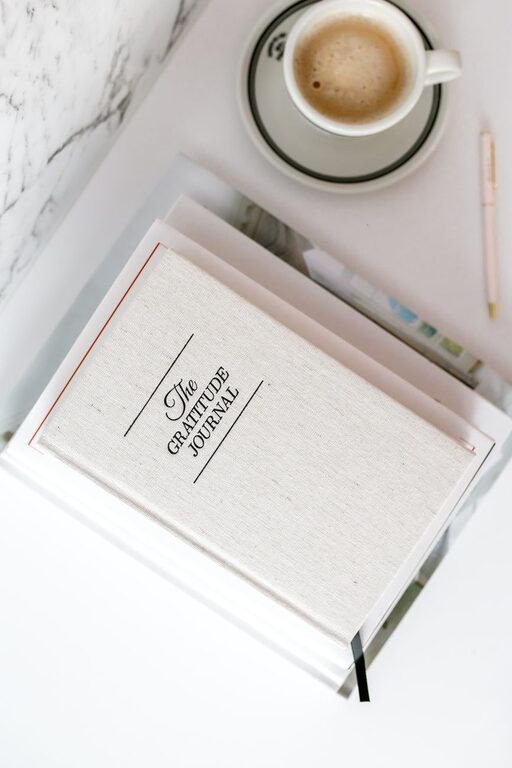
Starting a gratitude journal can be a simple way to pause, notice meaningful moments, and reflect on what is going well. You do not need special writing skills, a perfect notebook, or a long list of things to appreciate. A few thoughtful minutes can be enough.
The most important part is choosing an approach that feels natural. Your journal should support your everyday life, not become another task to manage. Here is how to get started and build a routine you can enjoy.
What Is a Gratitude Journal?
A gratitude journal is a notebook or digital document where you regularly record things you appreciate. These entries can focus on large parts of your life, such as supportive relationships or personal achievements, but they can also highlight small details.
For example, you might write about:
– A good conversation with a friend
– A warm drink on a cold morning
– A helpful colleague
– Time spent outdoors
– A task you completed
– A meal you enjoyed
– A quiet moment at the end of the day
Gratitude does not mean ignoring difficulties or pretending that everything is perfect. Instead, it creates space to notice positive or meaningful experiences alongside the ordinary challenges of life.
Choose a Format That Suits You
There is no single correct way to keep a gratitude journal. The best format is one you are likely to use consistently.
A paper notebook
A notebook offers a screen-free writing experience and gives your entries a personal, creative feel. Choose one that is easy to carry or keep in a convenient place. It does not need to be expensive or beautifully designed.
You could use:
– A lined notebook
– A plain exercise book
– A daily planner
– A small pocket journal
– A notebook with guided prompts
A digital journal
A notes app, document, or journaling app can be useful if you prefer typing. Digital entries are easy to search, organize, and access from different devices.
You might create one document for the entire year or a separate note for each month. If you use an app, consider choosing one with a simple layout so that recording an entry remains quick and straightforward.
Audio notes
If writing feels uncomfortable, try recording a short voice note. Describe one thing you appreciated and why it mattered. This option can work well when you are travelling, walking, or feeling too tired to write.
Decide When You’ll Write
A regular time can make journaling easier to remember. Consider connecting it with a routine you already have, such as drinking your morning coffee or getting ready for bed.
Common options include:
– Morning, before checking messages
– During a lunch break
– After returning home
– Before bedtime
– Once a week on a quiet afternoon
Start with a schedule that feels realistic. Writing once or twice a week is better than setting an ambitious daily goal that quickly becomes difficult to maintain.
You can also use a calendar reminder for the first few weeks. Once journaling becomes familiar, you may no longer need the reminder.
Begin With One Simple Entry
Many people delay starting because they think each entry needs to be detailed. It does not. Begin with one thing you appreciate and add a sentence explaining why.
For example:
> I’m grateful for the walk I took after work because the fresh air helped me slow down and notice the changing leaves.
The second part is useful because it adds meaning and detail. Rather than simply listing “my family” or “my job,” explain what you value about them on that particular day.
Try this basic structure:
- Today, I appreciate…
- This matters to me because…
- It made me feel or notice…
You can complete all three lines or use only the first two when you are short on time.
Use Prompts When You Feel Stuck
Some days, an idea will come easily. On other days, you may feel that nothing stands out. Prompts can help you look at familiar experiences from a new angle.
Try answering one of these questions:
– What made today a little easier?
– Who helped me recently?
– What small comfort did I enjoy?
– What place makes me feel at ease?
– What skill or ability am I glad to have?
– What ordinary item do I rely on every day?
– What did I learn from a recent experience?
– What made me smile?
– What part of my routine do I appreciate?
– What is something I often overlook?
You can keep a list of prompts at the front of your notebook or save them in your phone for easy reference.
Make Your Entries Specific
Specific details make journal entries more memorable. Instead of writing “I’m grateful for nature,” describe what you noticed.
For example:
– The sound of rain while I read this afternoon
– The bright sky during my morning walk
– The smell of fresh grass in the park
– The small garden outside the library
Specific entries also help you avoid repeating the same general answers. You can write about the same person, place, or activity more than once, but focus on a different detail each time.
Include People and Personal Qualities
Gratitude can focus on people in your life, but it can also include qualities you value in yourself. This may feel unfamiliar at first, especially if you are used to focusing mainly on what needs improvement.
You could write about:
– Your patience during a difficult conversation
– Your creativity while solving a problem
– Your willingness to ask for help
– Your ability to keep learning
– Your care for a friend or family member
– Your effort to complete an important task
This is not about claiming to be perfect. It is about recognizing effort, progress, and qualities that support your daily life.
Keep the Routine Flexible
A gratitude journal should not feel like a test. If you miss several days, simply begin again. There is no need to fill every blank page or explain why you stopped.
You can also change your method when your routine changes. For example, write longer entries on weekends and shorter ones during busy weekdays. If daily writing no longer feels useful, switch to a weekly reflection.
A flexible approach makes it easier to continue over time.
Try Different Types of Entries
Variety can keep your journal interesting. Along with traditional lists, try one of these formats:
A detailed reflection
Choose one experience and describe what happened, why it mattered, and what you want to remember.
A letter of appreciation
Write a letter to someone who has supported or encouraged you. You do not need to send it. The exercise can simply help you express what you value about the relationship.
A weekly highlight
At the end of each week, record three moments you would like to remember.
A gratitude photo
Take a photo of something meaningful and add a short caption explaining why you appreciate it.
A future reminder
Write about something you are looking forward to, such as a planned visit, a seasonal activity, or time with someone you care about.
Create a Welcoming Journaling Space
Your surroundings can make the habit more inviting. Keep your notebook and pen somewhere visible and comfortable. You might journal at a desk, in a favourite chair, or beside a window.
Try to reduce distractions for a few minutes. Put your phone aside if you are using a paper journal, or close unrelated apps if you are writing digitally. The goal is not to create a perfect setting, but to make it easier to focus.
Review Your Journal Occasionally
After a few weeks or months, read some earlier entries. You may notice recurring themes, such as people you often appreciate, activities that bring you satisfaction, or small moments that you tend to overlook.
Reviewing can also help you see how your perspective changes over time. Mark entries you especially enjoy, or create a yearly list of meaningful moments.
Keep the process simple and personal. A gratitude journal is most useful when it reflects your real life, including ordinary days, changing feelings, and small sources of enjoyment.
Start with one sentence today. With time, those short observations can become a thoughtful record of the people, places, experiences, and qualities that matter to you.