 By
By 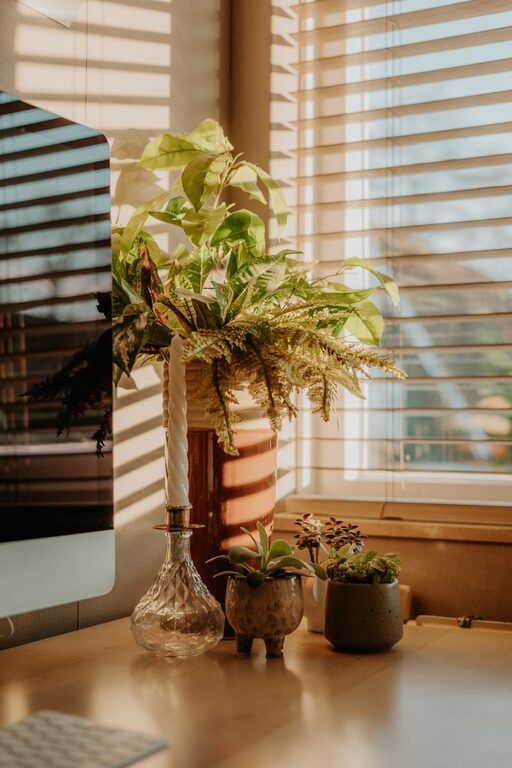
A home workspace should help you feel focused without making you feel tense. Whether you work from home full time, study in the evenings, or simply need a quiet place for household tasks, a few thoughtful changes can make the space more comfortable and relaxing.
Creating a calming workspace does not require a large room or an expensive makeover. The goal is to choose items and routines that support your concentration while making the area feel pleasant to use. Start with the layout, then improve the lighting, furniture, storage, and atmosphere.
Choose the Right Location
The best location for a home workspace is one that gives you enough room to work and helps you separate work time from other activities. If possible, choose an area with natural light and limited household traffic.
A spare room is useful, but it is not essential. You can create a practical workspace in:
– A quiet corner of the living room
– An unused section of a bedroom
– A wide hallway nook
– A dining area that can be cleared at the end of the day
– A small cupboard or alcove with suitable ventilation and lighting
Consider how the space feels throughout the day. A spot that seems quiet in the morning may become busy later. Notice noise from appliances, television areas, doors, and nearby conversations before settling on a location.
Try to keep the workspace separate from places associated with rest, such as your bed or favourite armchair. Even a small amount of visual separation can make it easier to switch between work and relaxation.
Keep the Layout Simple
A relaxing workspace should feel open rather than crowded. Begin with the essentials: a desk, a comfortable chair, lighting, and enough room for the tools you use regularly.
Position your desk so that you can move easily and access frequently used items without stretching. Avoid blocking doors, vents, or windows. If your desk faces a wall, add a small piece of artwork, a pinboard, or a plant to make the view more inviting.
You could also position the desk near a window, but avoid placing a screen directly in front of strong sunlight. Glare can cause discomfort and make it harder to see your work. A side-on position often provides natural light without creating reflections.
Before buying new furniture, measure the available area. Leave enough space to pull out your chair and move around comfortably. A neat layout is easier to maintain and can make the room feel calmer.
Select Comfortable, Supportive Furniture
Comfort is one of the most important parts of a relaxing workspace. A chair that feels fine for ten minutes may become uncomfortable during a longer task, so test it carefully if possible.
Look for a chair that allows you to:
– Sit with both feet supported
– Keep your shoulders relaxed
– Place your elbows comfortably near the desk
– Adjust the seat height
– Maintain a natural, upright posture
Your desk should be high enough to let you work without lifting your shoulders. If the desk is not adjustable, a footrest or firm cushion can help improve comfort.
Keep your monitor at a comfortable height so you do not need to bend your neck for long periods. A stand, stable shelf, or stack of sturdy books can raise the screen. Place the monitor far enough away that you can read the text without leaning forward.
A soft mat under the chair can make a hard floor more comfortable and protect it from marks. If you work with paper, choose a desk with enough surface area to write, sort, and use your computer without everything overlapping.
Use Soft, Balanced Lighting
Lighting can change the mood of a workspace immediately. Natural light is often the most pleasant option, but it should be balanced with other sources so the area remains comfortable on cloudy days and during evening work.
Use a combination of:
– Natural light from a nearby window
– General room lighting
– A focused desk lamp for reading or writing
– Soft accent lighting for a warmer atmosphere
A desk lamp with an adjustable head lets you direct light where it is needed. Place it opposite your writing hand to reduce shadows. If you use a computer, avoid positioning the lamp so that it reflects directly on the screen.
Choose bulbs that feel comfortable rather than overly harsh. Warm or neutral light can create a restful mood, while brighter, cooler light may help with detailed tasks. Dimmable lighting gives you more control as the day changes.
Keep windows clean and avoid blocking them with large storage units. Light curtains or blinds can reduce glare while still allowing daylight into the room.
Reduce Clutter with Practical Storage
Clutter can make it harder to relax, especially when work materials remain visible after the day ends. The best storage solution is one that is easy to use, not just attractive.
Store everyday items within easy reach and place less frequently used supplies in drawers, baskets, or cupboards. Use simple categories such as:
– Writing supplies
– Paper and notebooks
– Technology accessories
– Reference materials
– Personal items
Cable management can also make a noticeable difference. Use clips, ties, or a cable box to keep cords together and away from the floor. Label chargers if several look alike.
Try to keep the main desk surface clear except for items you use every day. A small tray can hold pens and other essentials, while a document holder can prevent papers from spreading across the desk.
If your workspace is in a shared room, consider storage that can be closed at the end of the day. A cabinet, rolling cart, or desk with drawers can help you create a clear boundary between work and home life.
Add Natural and Personal Elements
A relaxing workspace should feel like part of your home, not a temporary station. Add a few personal touches that make you feel comfortable without creating distractions.
Plants can bring colour and texture to the room. Choose varieties that suit the available light and the amount of care you want to provide. If a live plant is not practical, dried flowers or a small nature-inspired print can create a similar feeling.
Other simple additions include:
– A framed photograph
– A small piece of artwork
– A comfortable cushion
– A woven basket
– A favourite mug
– A calming colour palette
– A small clock or decorative object
Use restraint when decorating. A few meaningful items are usually more effective than a crowded collection. Choose colours and textures that fit with the rest of the room, such as soft neutrals, natural wood, muted greens, or gentle blues.
Create a Calm Work Routine
The atmosphere of your workspace is shaped by your habits as much as by its design. A simple routine can help you begin work with less stress and finish the day clearly.
At the start of your session, take a moment to open the curtains, fill a glass of water, and choose the main task you want to complete. Keeping a short list can prevent you from feeling overwhelmed.
During the day, take brief breaks to stand, stretch, or look away from the screen. You can use these moments to refresh your drink, open a window, or tidy one small area.
At the end of the day:
- Save and close your work.
- Return supplies to their usual places.
- Clear unnecessary papers from the desk.
- Make a note of the next task.
- Turn off lights and devices where appropriate.
This reset can make it easier to relax and gives you a cleaner starting point the next time you use the space.
Refresh the Workspace Regularly
Your needs may change over time. Review the workspace every few months and ask what is working well and what is creating friction. You may need to adjust the chair, move the lamp, remove unused items, or improve storage.
A relaxing workspace is not about achieving a perfect appearance. It is about creating a comfortable, organised environment that supports your daily routine. With a thoughtful layout, pleasant lighting, useful storage, and a few personal touches, even a small corner can become a peaceful and productive part of your home.