 By
By 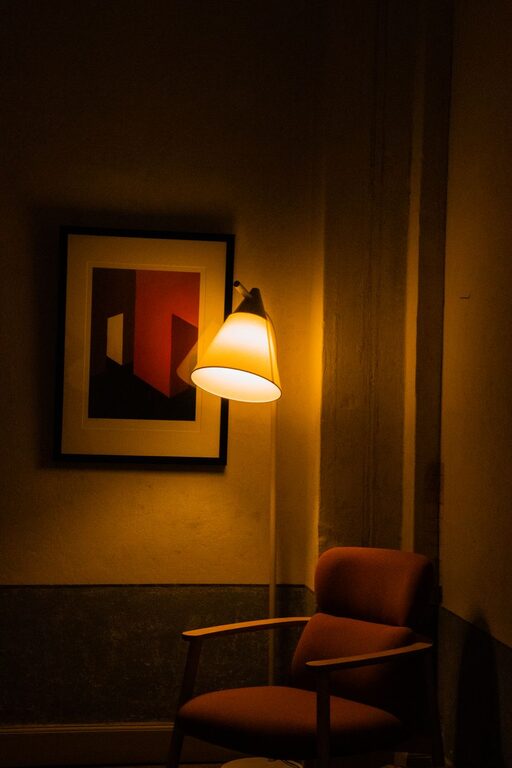
A reading corner can transform an unused part of your home into a peaceful place to slow down, enjoy a good book, and take a break from daily routines. You do not need a large room or an expensive renovation. With a comfortable seat, suitable lighting, and a few thoughtful details, almost any space can become a welcoming reading retreat.
Whether you are working with a sunny bedroom corner, a quiet spot in the living room, or a small area beside a window, the key is to make the space comfortable and easy to use. Here is how to create a reading corner that feels warm, practical, and personal.
Choose the Right Location
Start by looking around your home for a spot that is quiet and receives enough natural light. A corner near a window is often ideal, especially if it offers a pleasant view. However, a window is not essential. The most important thing is to choose a location where you can relax without frequent interruptions.
Consider these possibilities:
– An unused corner of the living room
– A space beside a bedroom window
– The end of a hallway
– A landing at the top of the stairs
– A section of a home office
– A wide windowsill or built-in bench
– An open area beneath a staircase
Think about how the space will fit into your daily routine. If you enjoy reading before bed, a bedroom corner may be convenient. If you prefer to read during the day, choose a location with natural light and easy access to the rest of your home.
Select Comfortable Seating
The most important part of a reading corner is the seat. Choose something that supports your back and allows you to sit comfortably for longer periods. A beautiful chair is not useful if it leaves you feeling stiff or uncomfortable after a few pages.
Good seating options include:
– A well-padded armchair
– A compact lounge chair
– A rocking chair
– A chaise longue
– A small loveseat
– A floor cushion with back support
– A built-in bench with a soft cushion
Before buying anything, check the size of the space. Measure the available area and leave enough room to walk around the chair. A chair that is too large can make a small corner feel crowded.
Pay attention to the seat height and depth as well. Your feet should rest comfortably on the floor, and the chair should support your back without forcing you to lean too far forward. If possible, try the chair in person before purchasing it.
Add Soft Textures
Soft furnishings make a reading corner feel more inviting. Add a cushion or two to improve comfort, then layer in a throw blanket for cooler evenings. Textures such as cotton, wool, linen, and knitted fabric can create warmth without making the space look overly busy.
Choose colours that suit the room while helping the corner feel calm. Soft neutrals, earthy shades, muted blues, and gentle greens can create a relaxed atmosphere. If the rest of the room is simple, add interest with a patterned cushion or a textured blanket.
Keep the number of accessories manageable. A reading corner should feel comfortable, not cluttered. Select a few useful items that make the space more enjoyable.
Plan the Lighting
Good lighting is essential for reading comfortably. Natural light is helpful during the day, but you will also need a reliable lamp for evenings and cloudy afternoons.
A floor lamp placed beside the chair is a flexible option. Choose a style with an adjustable neck or shade so you can direct the light towards your book. A table lamp works well if you have a side table, while a wall-mounted reading lamp can save floor space.
Look for lighting that is bright enough to illuminate the page without creating harsh glare. A warm or neutral light can make the corner feel welcoming. If the lamp has adjustable brightness, you can create a softer setting when you want to relax without reading.
Avoid relying only on overhead lighting. Ceiling lights can cast shadows and may make the space feel less restful. Combining natural light with a nearby reading lamp gives you more control throughout the day.
Include a Small Side Table
A side table keeps useful items within easy reach. You can place your book, reading glasses, a cup of tea, or a small lamp on its surface. The table does not need to be large. A narrow accent table, stool, or small round table may be all you need.
When choosing a table, consider both function and proportion. It should be close enough to the chair to use comfortably but not so close that it restricts movement. A table with a lower shelf or drawer can also provide extra storage.
If your corner is very small, look for space-saving designs such as:
– A C-shaped table that slides beside the chair
– A wall-mounted shelf
– A slim nesting table
– A small stool that serves as both seating and a table
– A narrow console positioned behind the chair
Create Practical Book Storage
Books should be easy to reach, but they do not need to fill the entire corner. A small bookcase, floating shelf, or basket can provide enough storage for your current reading list.
A low bookcase can double as a surface for plants, artwork, or a reading lamp. Wall-mounted shelves are useful in compact spaces because they keep the floor clear. If you prefer a softer look, use a sturdy basket to hold a few books and magazines.
Organize the storage in a way that feels natural to you. You might arrange books by size, colour, subject, or reading priority. Leave some open space so the shelves do not look crowded.
It is also helpful to keep a small area for books you have finished or plan to read next. This prevents the chair and floor from becoming cluttered with loose books.
Add Personal Details
Personal touches give the corner character. Consider adding a framed print, a favourite photograph, or a small piece of artwork above the chair. A plant can bring colour and life to the space, while a decorative object can make it feel connected to the rest of your home.
You might also include:
– A small footstool
– A soft area rug
– A clock with a quiet design
– A reading journal
– A bookmark dish
– A candle or decorative holder
– A small tray for drinks and accessories
Choose items that support the mood you want to create. The goal is not to decorate every surface, but to surround yourself with a few things you enjoy.
Make the Space Easy to Maintain
A reading corner should be simple to keep tidy. Choose washable cushion covers and blankets that can be cleaned easily. Use a basket or tray to collect magazines, remotes, and other small items.
Keep the floor around the chair clear so you can sit down without moving things first. Return books to their shelf or basket when you are finished, and remove cups or dishes regularly.
If the chair is near a window, check whether sunlight could fade the upholstery or damage books over time. Curtains, blinds, or UV-filtering window coverings can help protect the space while keeping it bright.
Design for Your Reading Habits
The best reading corner reflects how you actually use it. If you read large hardcover books, choose a table with enough surface space. If you listen to audiobooks as well, include a convenient place for headphones or a small speaker. If you often read in the evening, focus on adjustable lighting and a comfortable blanket.
You can also change the space with the seasons. Use lighter fabrics and brighter accents in spring and summer, then add thicker blankets and warmer textures in autumn and winter.
Most importantly, make the corner easy to access. A reading space that is beautiful but difficult to use may quickly become neglected. Keep your current book nearby, make sure the light switch is convenient, and arrange the furniture so sitting down feels effortless.
Enjoy Your New Retreat
Creating a cozy reading corner is less about following a particular design style and more about building a space that encourages rest and enjoyment. Start with a comfortable seat, add good lighting, and then introduce storage and personal details as needed.
Even a small corner can become a valued part of your home when it is designed around your comfort. Set aside a few quiet moments, pick up a favourite book, and enjoy having a dedicated place to read.