 By
By 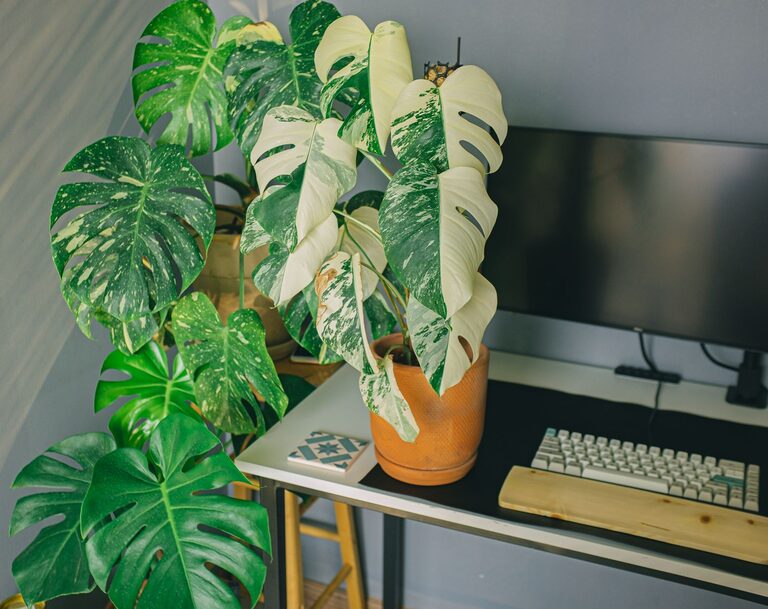
A workspace should be more than a place to complete tasks. Whether you work from home, study, manage creative projects, or simply need a dedicated spot for planning, a personalized workspace can make your day feel more comfortable and organized.
Personalization does not require a large budget or a complete redesign. Small changes, such as adding a favourite colour, improving your lighting, or arranging supplies within easy reach, can make the space feel more like your own. Here are simple ways to create a workspace that suits your needs and reflects your personality.
Start with a clean foundation
Before adding decorative items, take a few minutes to clear your workspace. Remove items you no longer use and place frequently used supplies where they are easy to reach.
A clean surface gives you more room to work and makes it easier to decide what belongs in the space. You do not need to create a perfectly minimal desk. The goal is to keep the items that are useful, meaningful, or enjoyable.
Try these quick steps:
– Remove rubbish, empty cups, and old paperwork.
– Group similar items together.
– Return items to their usual places.
– Store supplies that you rarely use.
– Wipe down the desk and other surfaces.
Once the area is tidy, you can see which improvements would make the biggest difference.
Choose a colour theme
Colour is one of the easiest ways to give a workspace a personal touch. You might choose colours that match the rest of your home, or select shades that create a particular feeling.
Soft greens and blues can create a calm atmosphere, while warm colours such as yellow, orange, or terracotta can add energy. Neutral colours can make a small workspace feel open and uncluttered.
You do not have to repaint the room to introduce a colour theme. Consider adding:
– A desk mat
– A notebook or planner
– A small storage box
– A framed print
– A lamp shade
– A cushion for your chair
Keeping a few items within the same colour family can make the workspace look intentional without making it feel overly styled.
Add meaningful decorations
Personal items can make a workspace feel welcoming. Choose decorations that bring back good memories, represent your interests, or simply make you smile.
A framed photograph, postcard, small piece of artwork, or handmade object can add character. You could also display a souvenir from a favourite trip or a gift from someone important to you.
Try not to fill every available surface. Select a few meaningful pieces and give them enough space to stand out. Rotating decorations every few months can also keep the workspace feeling fresh without requiring a major change.
Use wall space
If your desk is small, look beyond the desktop. Walls can provide useful space for both decoration and organization.
You might hang:
– A calendar
– A corkboard
– A small shelf
– A pinboard
– A framed print
– A weekly planning board
A wall display can help keep important notes visible while leaving your desk clear. Use it for reminders, inspiration, or items you want to see during the day.
Bring in natural elements
Natural elements can make a workspace feel warmer and more inviting. A small plant is a popular choice, but it is not the only option.
If you enjoy caring for plants, choose one that suits the amount of light in the room. If your workspace does not receive much natural light, a low-maintenance plant or a realistic artificial plant may work better.
Other natural touches include:
– A wooden pencil holder
– A stone paperweight
– A woven basket
– A small vase
– A nature-inspired print
– A bowl of pinecones or other seasonal items
These details can add texture and interest without taking up much space.
Improve your lighting
Lighting affects how a workspace looks and feels. If possible, place your desk near a window for natural light, but avoid positioning your screen where sunlight creates glare.
A desk lamp can make the area more comfortable in the evening or on darker days. Choose a lamp that fits your style, whether that means a simple modern design, a traditional shade, or a colourful statement piece.
You can also personalize the lighting by choosing a bulb with a warm or cool tone. A warmer tone can create a relaxed atmosphere, while a cooler tone may feel bright and focused. The best choice depends on your preferences and the activities you do at your desk.
Make comfort part of the design
A personalized workspace should look good and feel comfortable. Consider how your chair, desk height, and accessories support your daily routine.
A cushion can add colour and support, while a footrest may make the seating area more comfortable. A monitor stand or laptop riser can create additional storage space and help keep your screen at a convenient height.
Keep comfort in mind when choosing decorative items. For example, a soft desk mat can protect the surface and create a more pleasant writing area. An adjustable lamp can provide useful light while contributing to the overall look of the room.
Organize in a way that suits you
There is no single correct way to organize a workspace. The best system is one that matches how you work.
If you like to keep everything visible, use open containers, trays, or a small set of desktop organizers. If you prefer a clean surface, use drawers, cabinets, or boxes with labels.
Consider creating specific areas for different activities:
– A writing area for notebooks and pens
– A technology area for chargers and devices
– A reading area for books and reference materials
– A planning area for calendars and lists
Keep the supplies you use most often close by. Items used less frequently can be stored further away or in a nearby cupboard.
Tidy your cables
Cables can quickly make a workspace feel messy. Use simple cable clips, ties, or sleeves to group cords together. Label chargers if you have several similar ones, and keep extra cables in one container.
A small amount of cable management can make a noticeable difference. It also makes cleaning and rearranging easier.
Add a personal inspiration area
A small inspiration area can give your workspace a sense of purpose. This might be a pinboard, a collection of quotes, a list of goals, or a few images that reflect your interests.
Keep the display useful and positive. You could include:
– A current project
– A seasonal image
– A short list of priorities
– A favourite quotation
– A sketch or design
– A postcard from a memorable place
Change the display when your goals or interests change. This keeps the workspace connected to your current routine rather than turning it into a static decoration.
Refresh the space regularly
Personalization is an ongoing process. Your workspace may need to change as your habits, projects, or preferences evolve.
Set aside a few minutes every month to review the space. Remove items that no longer serve a purpose, update your displays, and adjust your storage. Even a small seasonal refresh can make the area feel new.
You could switch artwork, change a desk accessory, add a new plant, or rearrange a few items. These small updates allow your workspace to grow with you.
Create a space that feels like yours
The most successful workspace is not necessarily the most expensive or carefully styled. It is the one that supports your routine and feels comfortable to use.
Start with one or two simple changes, such as adding a favourite colour, improving the lighting, or organizing your supplies. Then build on those updates over time. By combining practical choices with personal details, you can create a workspace that is welcoming, useful, and uniquely yours.