 By
By 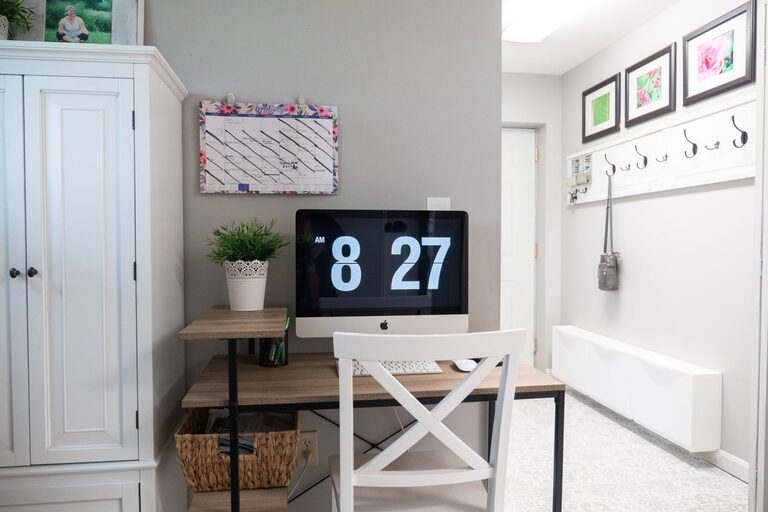
A family command centre is a dedicated spot where everyone can find important information and complete everyday tasks. It may include a calendar, a place for keys, school notices, meal plans, and a few simple tools that help the household run smoothly.
The best command centre is not necessarily the largest or most stylish. It is one that fits your home, matches your family’s routines, and is easy for everyone to use. With a little planning, you can create a useful system without spending a lot of money.
Choose the Right Location
Start by identifying an area that your family already uses regularly. The ideal location is easy to see and reach, but it should not block walkways or make a busy space feel crowded.
Good options include:
– A wall near the main entrance
– A section of the kitchen
– A hallway beside the garage door
– A mudroom or entryway
– A corner near the family room
Think about what happens in that area. If children usually come home through the front door, a command centre near the entrance may be convenient for backpacks and school papers. If meal planning is a priority, a kitchen location may work better.
Before installing anything, measure the available wall or counter space. Leave enough room for doors, drawers, and people moving through the area.
Decide What Your Family Needs
Every household uses a command centre differently. Before buying supplies, make a list of the tasks and information you want to manage.
Consider whether you need space for:
– A shared family calendar
– School schedules and activity notices
– Permission forms and paperwork
– Keys, wallets, and sunglasses
– Mail and items that need attention
– Grocery lists and meal plans
– Reusable shopping bags
– Charging devices
– Chore lists or weekly tasks
– Pet care information
Try to focus on the items your family handles often. A command centre with too many features can become difficult to maintain. Start with the essentials and add new elements only when there is a clear need.
Create a Shared Calendar
A visible calendar is often the heart of a family command centre. Choose a format that everyone can understand and update.
You could use:
– A large monthly wall calendar
– A dry-erase calendar
– A paper planner
– A digital calendar displayed on a tablet
– A combination of a digital calendar and a small paper calendar
Use a different colour for each family member or type of activity. For example, one colour could represent school events, another could show appointments, and another could identify household tasks. Keep the colour system simple and post a small key nearby if needed.
Include more than major events. Add school holidays, sports practices, library return dates, birthdays, family visits, and days when someone needs special equipment. A calendar is most helpful when it shows the details that affect daily planning.
Set aside a regular time each week to review it. Sunday evening or Monday morning may work well. During the review, check the week ahead, identify busy days, and note anything that needs preparation.
Add Paperwork and Message Storage
Loose papers can quickly make a command centre untidy. Use labelled folders, baskets, or wall pockets to give each type of paper a home.
Useful labels include:
– To read
– To sign
– To return
– School
– Activities
– Receipts
– Important information
Keep the system easy to understand. If a paper requires action, place it in a clearly marked area rather than hiding it in a general folder. You may also want a small recycling bin or shredder nearby for papers that are no longer needed.
Set a regular time to clear the paperwork. Once a week, review each folder, complete any necessary actions, and remove outdated materials. This prevents the command centre from becoming a storage area for forgotten papers.
Include Everyday Storage
A command centre can help reduce the number of items that are misplaced each day. Hooks, trays, and small containers are useful for the things your family carries in and out of the home.
Depending on your space, add:
– Hooks for keys and bags
– A tray for wallets and sunglasses
– A basket for hats and gloves
– A holder for reusable water bottles
– A small shelf for chargers
– A bin for library books or items to return
Give each person a specific place for their belongings. Labels, initials, or different coloured containers can make the system easier for younger children to follow.
Avoid placing too much in one area. If bags and coats need more room, use a nearby coat rack or storage bench rather than overloading the command centre.
Make Room for Meal Planning
A small meal-planning area can save time and make grocery shopping easier. Post a weekly meal plan where everyone can see it, or keep it in a notebook beside the command centre.
You may want to include:
– A weekly meal plan
– A running grocery list
– A list of family favourites
– Notes about school lunches
– A list of ingredients already on hand
Use a magnetic notepad, chalkboard, whiteboard, or shared digital list. Choose the option that your family is most likely to update.
Invite family members to suggest meals before shopping day. This can make planning more collaborative and reduce last-minute questions about what is for dinner.
Add a Charging Station Carefully
If your family regularly charges phones, tablets, or other devices in a shared area, consider adding a charging station. A small tray or shelf can keep cords in one place and reduce clutter.
Use cable labels or different coloured ties to identify each charger. Keep cords neatly secured and avoid running them across walkways. If children use the area, place the charging station where it is safe and easy to supervise.
A charging station does not need to be elaborate. A power bar, a cord organiser, and a designated tray may be enough.
Make It Easy for Children to Use
A command centre works best when the whole family can participate. Place frequently used items at a comfortable height for children, and use simple labels or pictures when helpful.
You can give children responsibility for tasks such as:
– Checking the calendar
– Placing school papers in the correct folder
– Adding items to the grocery list
– Hanging up their bags
– Moving completed tasks to a finished section
Keep instructions short and consistent. Children are more likely to use the system when it takes only a few seconds and does not require too many steps.
Keep the System Manageable
The most important part of a command centre is regular maintenance. Even a well-designed space will become cluttered if no one checks it.
Use these habits to keep it working:
– Review the calendar once a week
– Clear old papers regularly
– Return misplaced items to their proper spot
– Update labels when routines change
– Remove tools that are not being used
– Ask family members what could work better
Treat the command centre as a flexible system rather than a finished project. Your family’s needs may change during the school year, holidays, or other busy periods.
Start Small and Improve Over Time
You do not need to create the perfect command centre in one weekend. Begin with a calendar, a few storage areas, and a place for important papers. Use the system for a couple of weeks and observe what works and what does not.
If papers still pile up, add another folder. If keys are still being misplaced, move the key hooks closer to the door. If the calendar is being overlooked, place it at eye level in a busier location.
A successful family command centre should make daily routines clearer, not create more work. By choosing a convenient location, limiting the number of features, and giving every item a home, you can build a practical space that helps your household stay organised.