 By
By 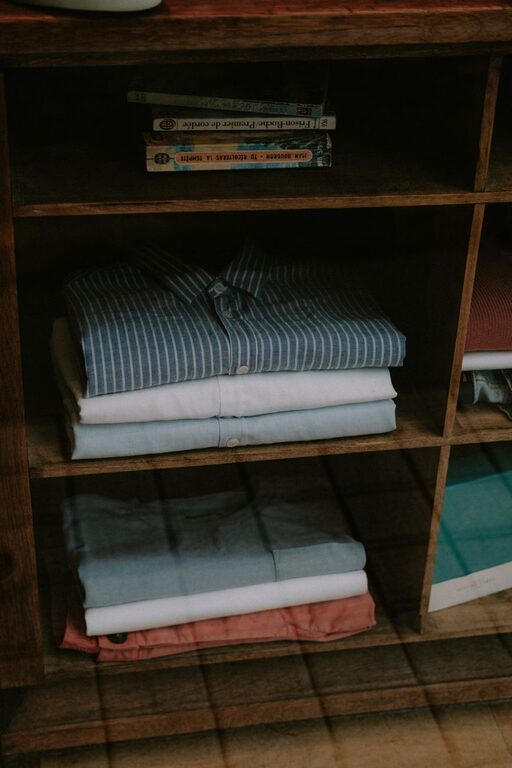
A tidy closet can make mornings easier, protect your clothing, and help you use the space you already have more effectively. The key is not simply arranging everything once. A closet stays organised when it is easy to use, simple to maintain, and suited to your daily habits.
Whether you have a spacious walk-in closet or a small wardrobe, these practical tips can help you create a system that lasts.
Start with a Complete Clear-Out
It is difficult to organise a closet when you cannot see everything inside it. Begin by taking out all clothing, shoes, bags, and accessories. Place everything on your bed or another clear surface so you can review each item.
Working with an empty closet also gives you a chance to:
– Dust shelves and corners
– Vacuum or sweep the floor
– Wipe down storage surfaces
– Check for broken hangers or damaged organisers
– Notice areas that are difficult to reach or use
Avoid trying to sort items while they are still packed into the closet. A complete clear-out gives you a better picture of what you own and how much space you need.
Sort Items into Clear Categories
Once everything is out, group similar items together. For example, create separate piles for shirts, trousers, sweaters, dresses, jackets, shoes, and accessories. You can also make groups for seasonal clothing and special-occasion items.
Next, review each category and decide what belongs in the closet. A useful set of options is:
– Keep
– Donate or pass along
– Repair
– Recycle
– Store elsewhere
Be honest about what you actually wear. If an item does not fit, feels uncomfortable, needs more repairs than it is worth, or has not been worn in a long time, it may not need to take up valuable closet space.
You do not have to make every decision quickly. If you are unsure about a few pieces, place them in a labelled box and review them again after a set period. If you do not miss them, you may be ready to let them go.
Organise by How You Get Dressed
There is no single correct way to arrange a closet. The best system is the one that matches your routine.
You might organise clothing by:
– Type, such as shirts, trousers, and jackets
– Colour, from light to dark
– Season
– Frequency of use
– Workwear, casual clothing, and occasion wear
Many people find it helpful to combine these approaches. For instance, keep everyday clothing at eye level, arrange it by type, and then sort each category by colour. Place less frequently used items on higher shelves or in another storage area.
Think about your mornings. If you usually choose an outfit quickly, keep your most-used pieces together and easy to reach. If you plan outfits in advance, you may prefer organising clothing by occasion or complete outfit.
Choose Matching Hangers
Using one style of hanger can make a closet look more orderly and help clothes hang at a similar height. Slim, non-slip hangers are often useful because they take up less room and help prevent garments from sliding onto the floor.
Use sturdy hangers for heavier items such as coats and jackets. Avoid forcing too many pieces onto one hanger, as this can crease clothing and make it harder to see what you own.
A simple rule is to leave a small amount of space between groups of clothing. This makes it easier to browse and encourages you to return items to the correct place.
Make Better Use of Vertical Space
Closets often have unused space above the hanging rail or near the floor. Use these areas thoughtfully rather than allowing them to become cluttered.
Useful options include:
– Shelf dividers for folded clothing
– Stackable bins for seasonal items
– Over-the-door organisers for accessories
– Shoe racks for the floor
– Hooks for belts, scarves, or bags
– A second hanging rail for shorter garments
Place items you use regularly between waist and eye level. Store rarely used or seasonal belongings higher up, provided they are safe and easy enough to access when needed.
Do not stack folded clothing too high. Tall piles can become unstable and make it tempting to pull items from the bottom. Shorter stacks or drawers usually make folded pieces easier to find and put away.
Fold Clothing in a Practical Way
The best folding method is the one that lets you see and reach each item. Fold T-shirts, jeans, activewear, and sweaters into compact shapes, then place them in drawers or on shelves.
For drawers, try storing clothing vertically rather than in tall piles. This allows you to see each piece at a glance and prevents a drawer from becoming disordered when you remove one item.
For shelves, group similar items together and keep stacks small. Use shelf dividers if piles tend to lean or mix with one another.
Some garments should be hung rather than folded. These may include:
– Dresses
– Blazers
– Button-up shirts
– Skirts
– Trousers that crease easily
– Delicate items that may lose their shape
Always follow the care instructions on clothing, especially for wool, knitwear, and delicate fabrics.
Give Shoes and Accessories a Home
Small items can make a tidy closet feel messy quickly. Assign a specific place for shoes, handbags, belts, hats, and jewellery.
Keep frequently worn shoes near the entrance of the closet or on a low rack. Store special-occasion footwear in labelled boxes or clear containers if you do not use it often.
For accessories, consider:
– Hooks for belts and scarves
– Small trays for watches and jewellery
– Divided boxes for hair accessories
– A shelf or cubby for handbags
– Bins for seasonal items such as gloves and hats
Avoid placing accessories in a single large container. When everything is mixed together, finding one small item can undo your organisation.
Label Storage Containers
Labels are especially useful when you store items in bins, baskets, or boxes. A label tells you what belongs in each container and makes it easier for everyone in the household to put things away correctly.
Use simple labels such as:
– Winter accessories
– Extra bedding
– Occasion wear
– Travel items
– Everyday bags
– Repair pile
Clear containers can also help you see what is inside, but opaque bins are useful for items that are not needed often. Keep a consistent storage system so you do not have to rethink where things belong each time you tidy up.
Create a Simple Maintenance Routine
Even the best organisation system will not last without regular upkeep. The goal is not to spend hours cleaning your closet. Small, consistent habits are more effective.
Try these routines:
– Return clothing to its assigned place after wearing it
– Put clean laundry away promptly
– Remove items that need repairs
– Review one shelf or drawer each month
– Rotate seasonal pieces twice a year
– Keep a donation bag nearby
– Avoid placing items on the closet floor
When you bring home something new, consider whether you have space for it. A “one in, one out” approach can help prevent the closet from becoming overcrowded. This does not mean every new item requires an immediate replacement, but it encourages mindful choices.
Make the System Easy to Follow
A closet remains tidy when the organisation system is convenient. If a container is difficult to open or a shelf is too high for everyday items, belongings are more likely to end up elsewhere.
Observe what happens after you organise. Are clothes gathering on a chair? Are shoes piling up near the door? Are accessories being left on a dresser? These patterns show where your system needs improvement.
Adjust the storage layout instead of blaming yourself for the clutter. Move frequently used items closer, add a hook where one is needed, or reduce the number of categories. An effective closet should support your routine, not make it more complicated.
With a clear-out, practical storage, and a few easy habits, your closet can stay tidy long after organising day. Focus on making every item visible, accessible, and easy to return to its proper place.